What to Expect at a Skin Cancer Clinic: 2026 Screening Guide for Clemson, SC
This guide explains what happens during a skin cancer screening and why residents near Clemson, SC, may benefit from making it a yearly habit. Knowing what to expect can reduce hesitation and help you act before a problem grows.
Why Clemson, SC, Residents Face Real UV Risk
Sun exposure in Upstate South Carolina adds up faster than many people realize. Clemson sits at the edge of Lake Hartwell, where boating, fishing, swimming, and tailgating under open skies are part of everyday life for residents and Clemson University students alike.
The EPA's UV tracking shows South Carolina's average UV Index reaches the "high" range by May and hits between 9 and 10, rated "very high" to "extreme," through June, July, and August. Upstate counties, including Oconee and Pickens, show notably elevated melanoma rates, and Pickens County borders Clemson directly.
Sun exposure is cumulative, and the impact begins from first exposure. Years of afternoons on Lake Hartwell or in Memorial Stadium quietly add up. Visiting a skin cancer clinic before issues develop is one of the most proactive steps Clemson-area residents can take.
What Happens During a Full-Body Skin Exam
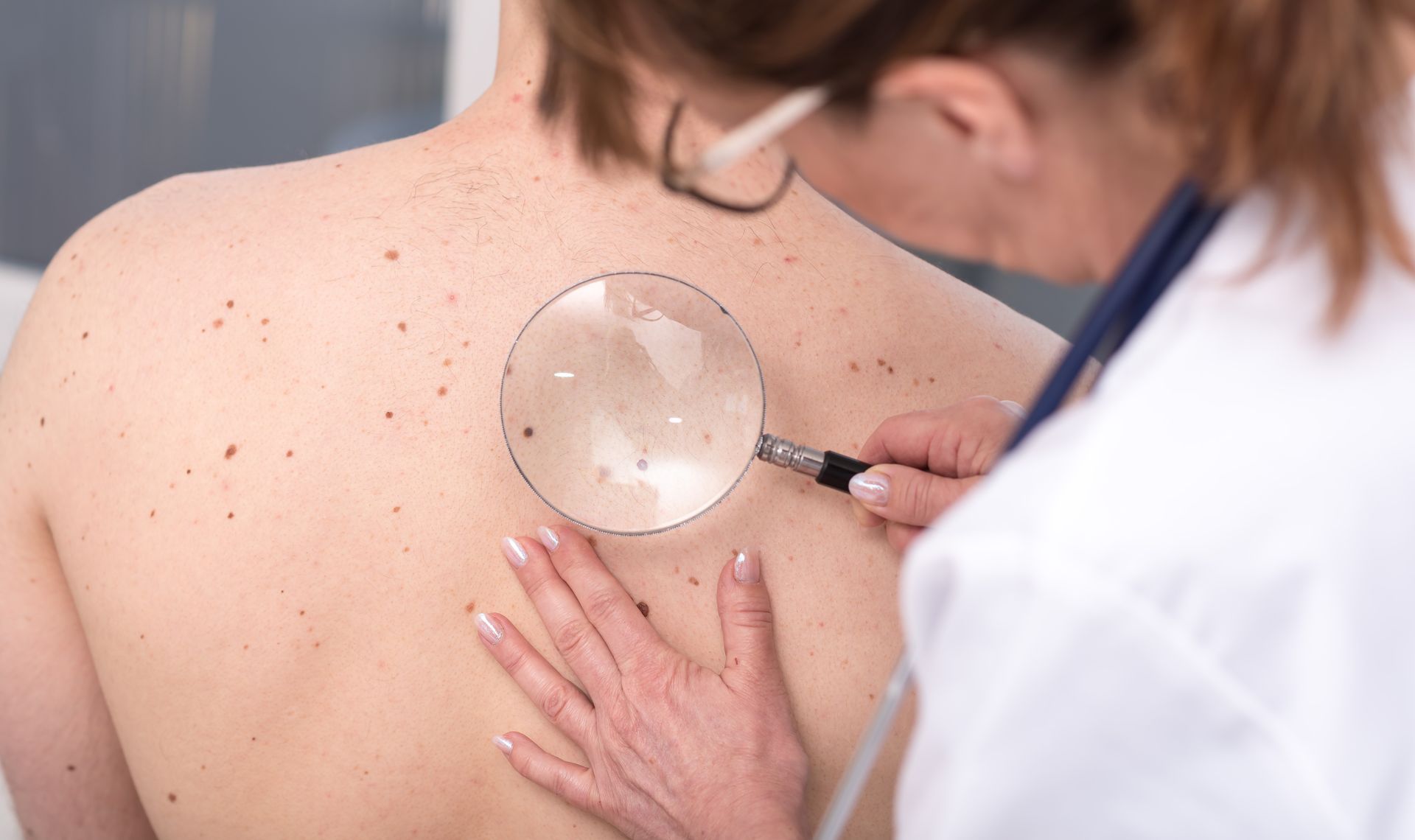
A skin cancer screening at a qualified skin cancer clinic is straightforward and typically painless. You will wear a gown so the provider can examine your entire body surface. Here is what the process looks like:
- You check in and complete or confirm your medical history forms.
- A provider reviews your personal and family history of skin cancer and any spots you have noticed.
- You change into a gown in a private exam room.
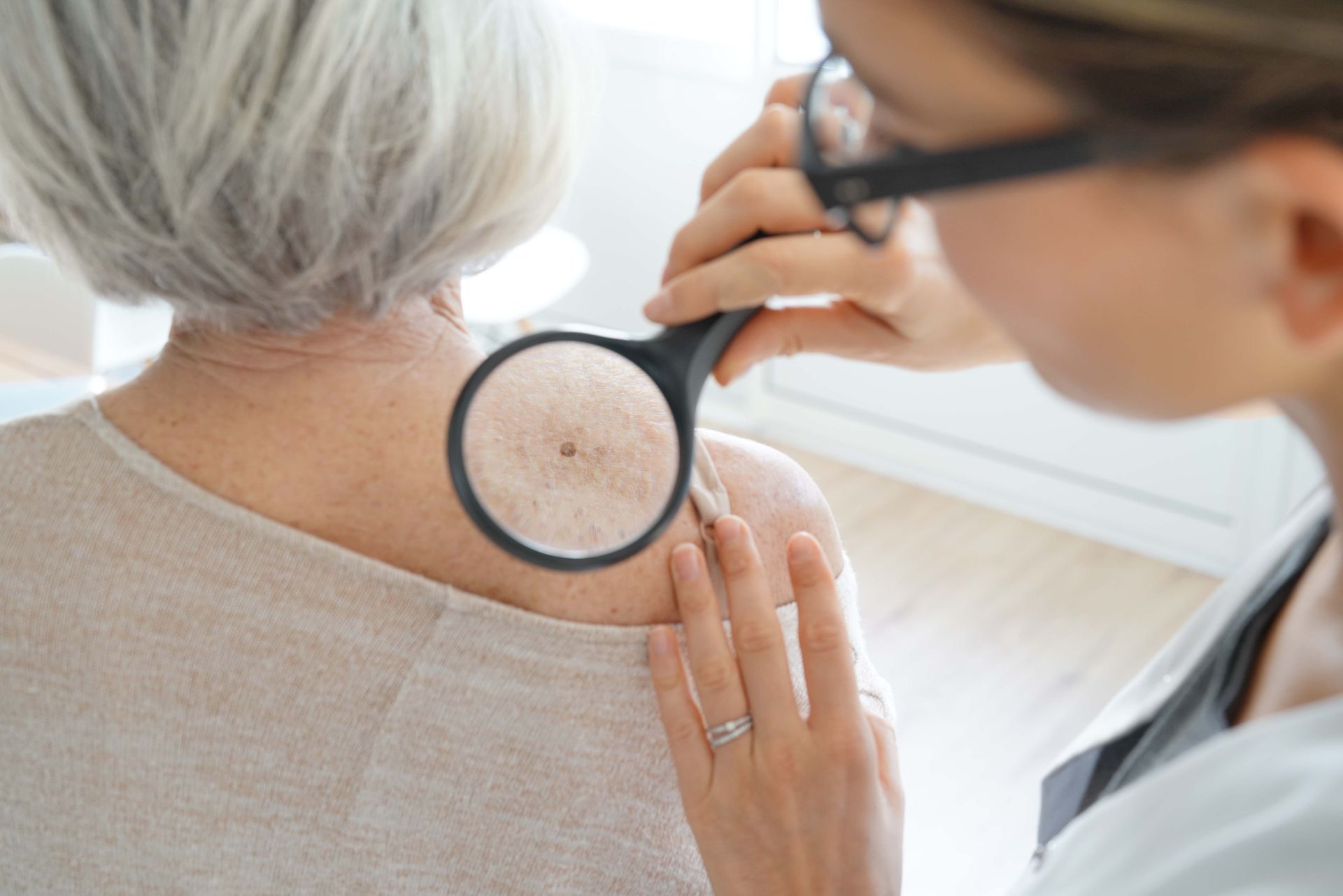
- The provider performs a full-body visual exam, checking your scalp, face, neck, chest, back, arms, hands, legs, and feet.
- The provider notes any lesions, moles, or growths that look irregular.
- If something looks suspicious, a biopsy may be recommended at that visit or a follow-up appointment.
The exam typically takes under 30 minutes, though more complex cases may take longer.
What Conditions Are Screened During the Exam
A skin cancer clinic screens for several conditions, not just melanoma. Providers typically look for basal cell carcinoma, the most common form; squamous cell carcinoma, which often appears on sun-exposed skin; melanoma, the most serious type; actinic keratoses, which are pre-cancerous rough patches caused by UV damage; and suspicious moles or lesions that may need monitoring or biopsy.
The earlier a skin cancer is detected, the simpler treatment often becomes. Catching a problem at the screening stage can make a meaningful difference in your outcome.
How to Prepare Before Your Appointment
Come with clean, product-free skin when possible. Remove nail polish from fingers and toes so the provider can check nail beds. Avoid heavy makeup. Note any spots or moles you want to point out during the exam.
Complete new-patient forms in advance to save time, or arrive 10 to 15 minutes early to fill them out on-site. Bring a list of your medications and your insurance card.
When to Schedule vs. When to Seek Urgent Care
The American Academy of Dermatology recommends annual skin checks for everyone, with more frequent screenings for those with added risk factors. People with fair skin, a history of sunburns, a family history of skin cancer, or significant outdoor exposure should schedule every year. Lake Hartwell regulars, Clemson University staff and students, and anyone who has worked in agriculture or construction around Pickens or Anderson County may fall into that higher-risk group.
Do not wait for your annual appointment if you notice changes in the size or color of a mole, a new lesion, or any area of scaliness, itching, bleeding, tenderness, or pain. These changes warrant a prompt evaluation at a skin cancer clinic in Clemson, SC, rather than waiting for a routine yearly exam.
Frequently Asked Questions About Skin Cancer Screenings
How Long Does a Full-Body Skin Exam Take?
Most full-body skin exams take between 15 and 30 minutes. If a biopsy is needed, the appointment may run a little longer.
Will Insurance Cover a Skin Cancer Screening?
Coverage varies by plan. Call your insurance provider before your appointment to confirm your benefits, or contact the skin cancer clinic directly to ask about accepted plans.
What Happens if the Provider Finds a Suspicious Spot?
The provider may recommend a biopsy. An in-house histology lab can process samples on-site rather than sending them to national labs, allowing for faster turnaround and earlier treatment.
Do I Need a Referral to See a Dermatologist for a Screening?
Many dermatology practices serving the Clemson area accept patients without a referral for routine screenings. Confirm with your insurance plan, as some do require one.
Schedule Your Screening With a Trusted Local Clinic
A skin cancer screening is one of the simplest steps you can take to protect your health. Clemson residents, Clemson University community members, and anyone spending time on Lake Hartwell or in the Upstate outdoors can benefit from making this a regular habit.
Anderson Skin & Cancer Clinic serves patients in the Clemson area with board-certified dermatologists, an in-house histology lab for faster results, and multiple convenient locations across Upstate South Carolina. To learn more, visit the skin treatment and surgery page or review patient information and appointment details.
Call (864) 224-7577 to request your appointment or contact the clinic online. Do not wait for a spot to become a problem. Schedule your skin cancer screening today.